
A nodding head that crowns a whip of green stem, Narcissus dreams during sun and shower alike — echo of light on the bright days, softly luminous on the gray.

A nodding head that crowns a whip of green stem, Narcissus dreams during sun and shower alike — echo of light on the bright days, softly luminous on the gray.
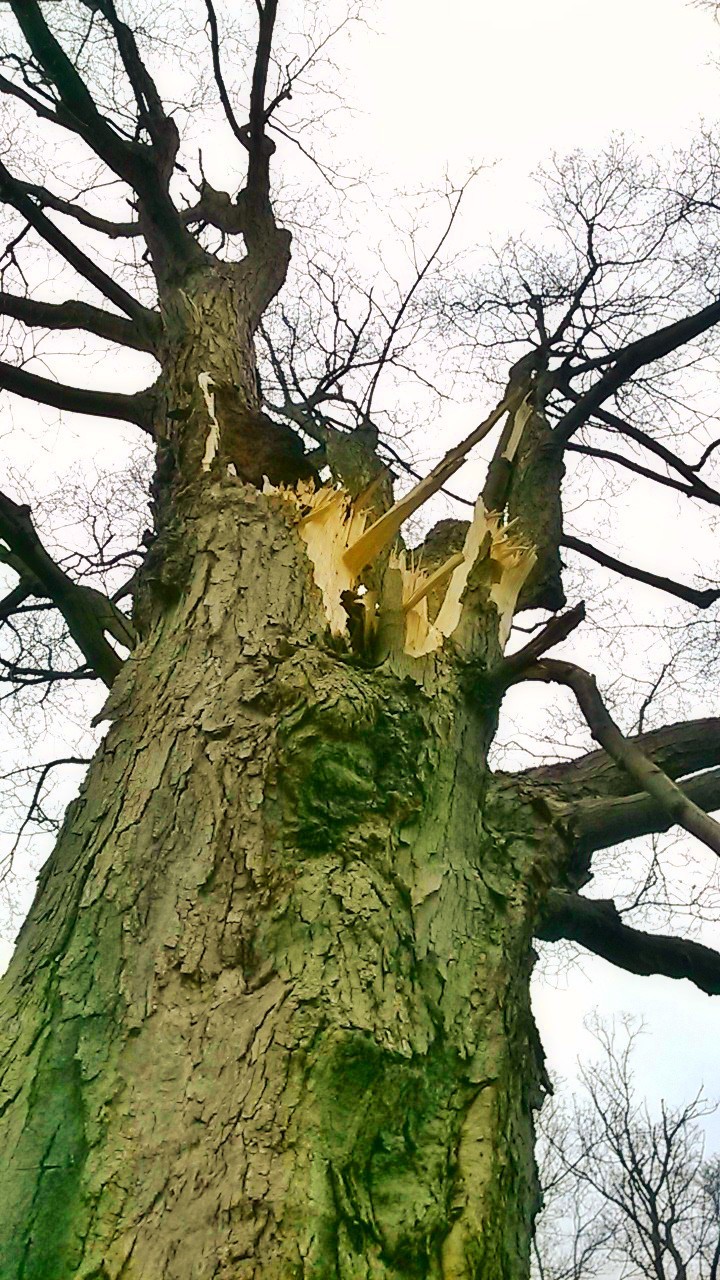
An unkindness of wind —
no gentle breeze,
nor exiting lamb,
but a sundering;
A dispassionate tearing
that strips bud and blossom
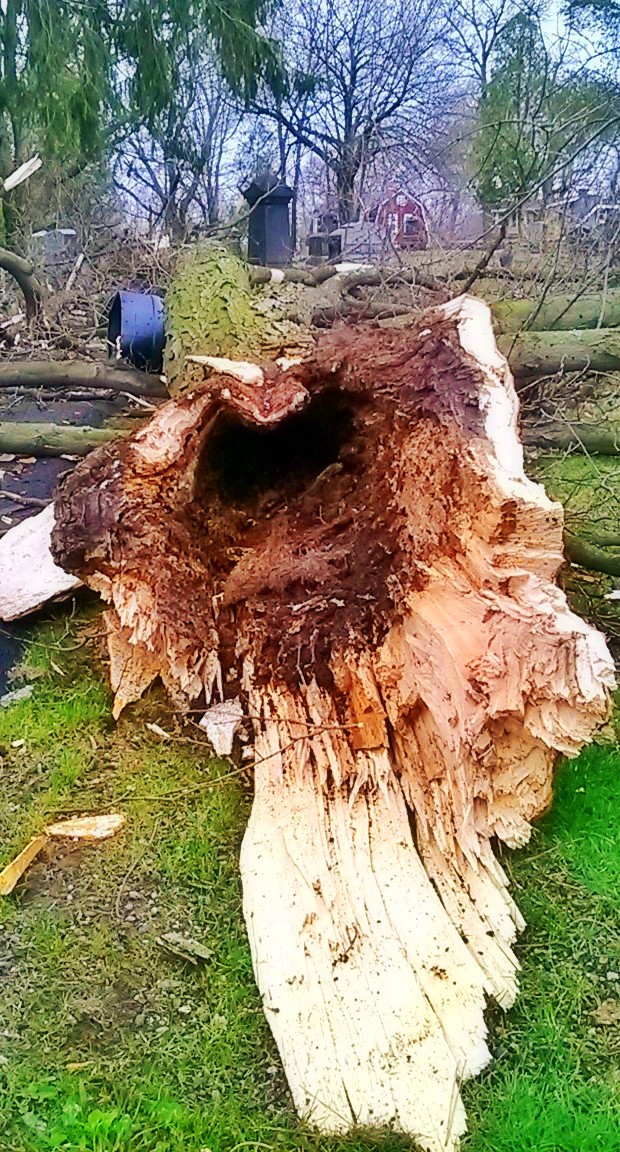
and exposes the maple’s
soft and aging heart.
I cannot sleep
for the arboreal cries it exacts,
for its moan among
the pine’s fringed and lashing limbs,
for its persistence upon
the window’s too-thin panes.
It wants entry.
It has torn through
one-hundred years of wood
and would add a bone —
or several dozen —
to its discards.
–C.Birde, 4/16
We stand together in the back porch, watching through the windows as they approach — a mass of people spills through the quiet streets. A parade? The men are clad in work clothes and overalls, the women in loose, white gowns. But — there is no organization to their ranks. No drums. No music. Just a loosely arranged throng, choking the street, crowding sidewalks and pushing through our neighbors’ neat yards. They advance in growing numbers as twilight gathers; a tide of men and women with little concern for borders or boundaries.
In an all-encompassing wave, they flow through our hedge, course about our house. So many bodies. So many heedless, trampling feet. I dash outside to protest crushed Spring blooms and young, tender branches snapped. Thus, I hear them — the low unison of their voices weaving through the cool breeze. They have settled in our back yard, intent upon increasing the numbers of their cult — by persuasion, reproach, or force of will.
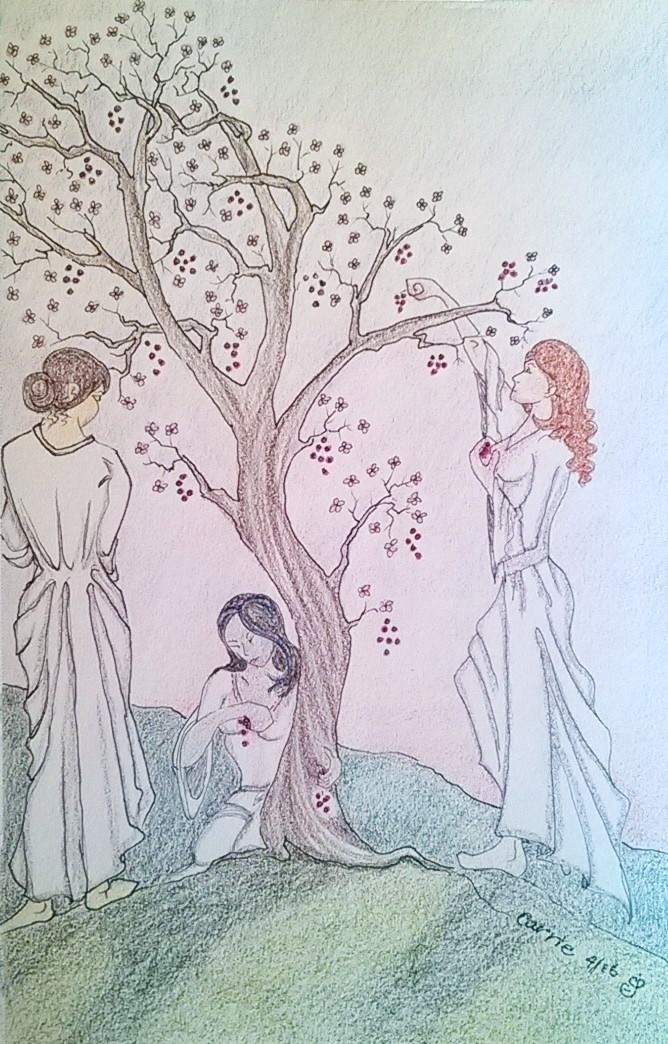
I find them around the porch’s corner. To my alarm, the women encircle my young hawthorn tree and — arms up stretched, necks craned — they strip its slim, dark branches of fruit. Grabbing, clutching, they gorge themselves on the bright red berries, greedily overfilling their mouths till the juice runs down their chins and necks to stain their bodices.
“If you do not believe in the Fey and the magic of the Hawthorn, its fruit will poison you!” I shout. I wonder at my words, uncertain of their truth, but I will say anything to save my tree. To my relief and astonishment, the women — shocked, fear dawning on their smooth, stained faces — halt their greedy, all-consuming harvest.
Beyond this scene waits another crisis — several huge men crouch over our gas and electric meters. Bare-handed, they bend and twist narrow pipes, rend and snap delicate wires. One pauses just long meet my gaze and says they are “reading” the meters.
An anger uncoils inside me unlike any I have felt before. The intrusion. The disrespect. The greed and unkindness and self-absorption. My voice is enormous, crashing through the descending night. My words scathe and pierce. There is no room for doubt or discussion or misunderstanding. All flee before the the lash of my demands. In his haste, one of the men has abandoned a heavy, yellow backpack. Like a shot-putter, I heft it, whirl it around and around my head and body in a great curving arc. When finally I release it, it carves a bright streak through the night and crashes, lost in the distant woods that swallow the mob’s retreat.
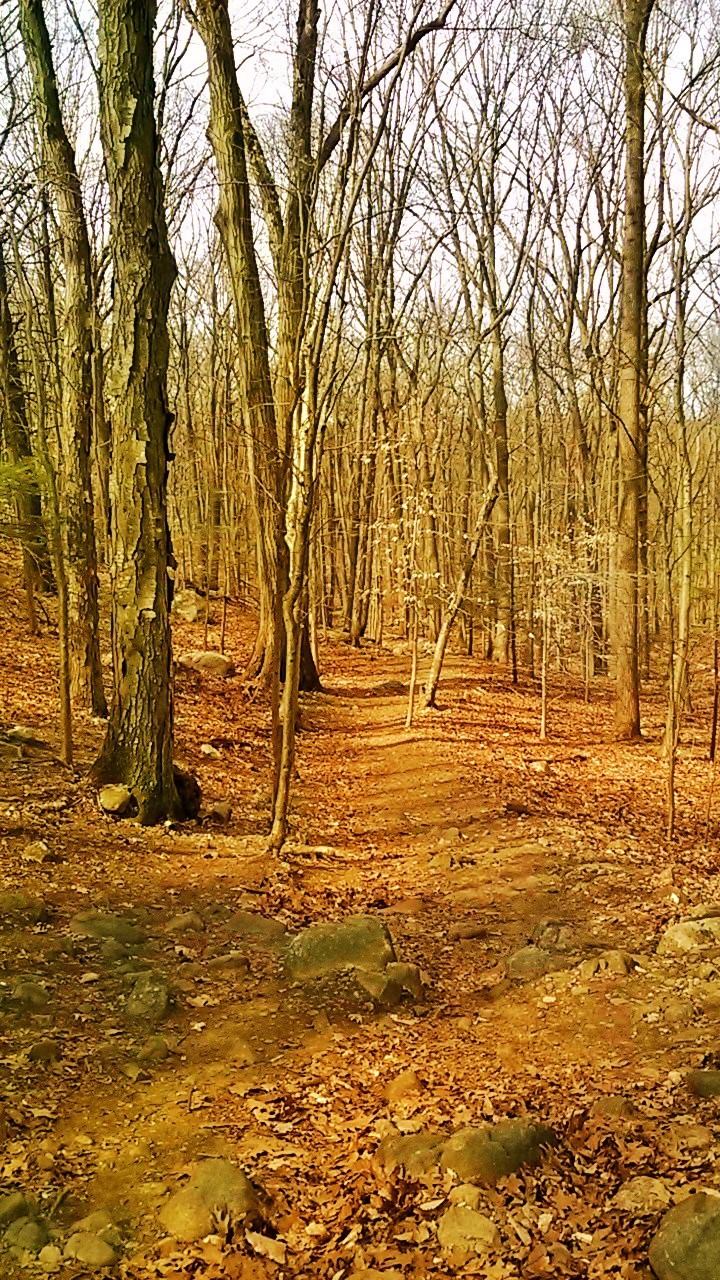
We wore the morning lightly, pearl gray on our shoulders, as we entered the golden wood. Our steps raised small ivory- and lavender-winged moths. Smudge of Bluebird among uplifted branches. (If one should ever alight in my hand and request a portrait, I will gladly oblige.) Song of Red-Winged Blackbird. Chickadee, Titmouse, White-Throated Sparrow. Robin and Nuthatch and Blue Jay.
Gently, the path wandered around roots and over smooth-backed stones. Patches of periwinkle poked through leaf litter, and ferns unfurled green fronds. Trees garbed in tiny floral buds of scarlet, lime-green, pale yellow. Evidence of a reluctant Spring.
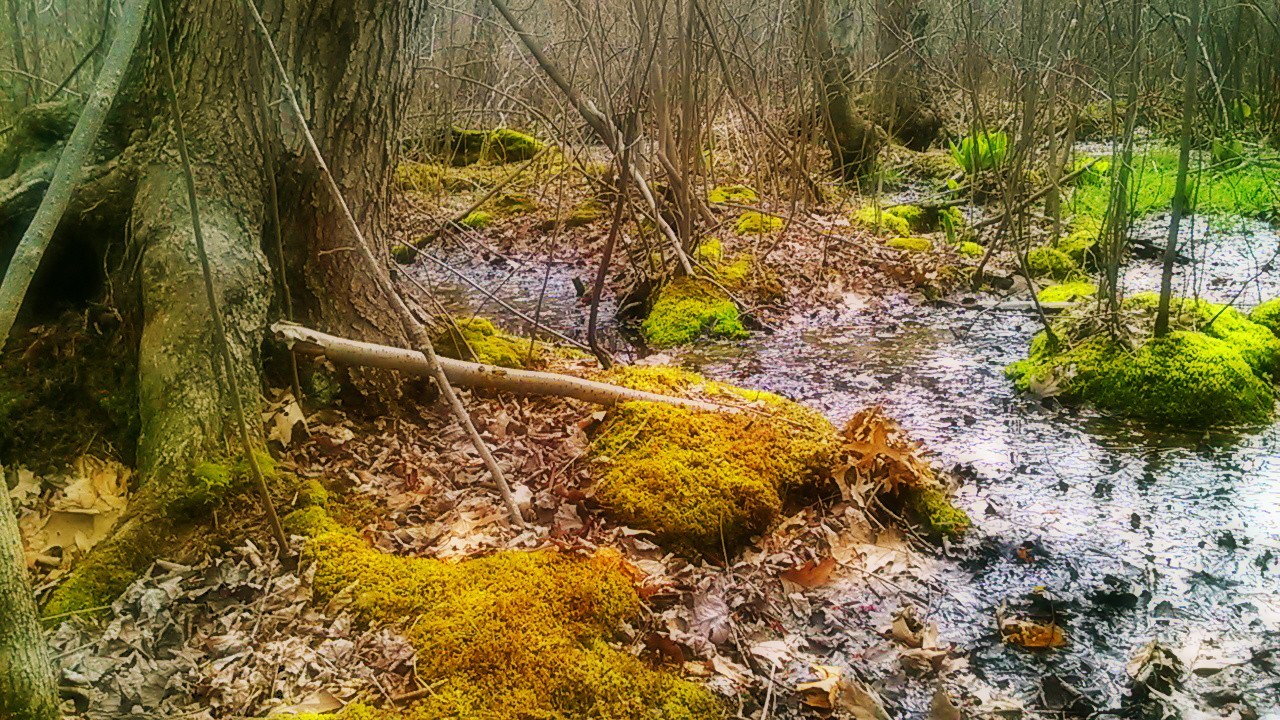
Creeks slowly remembering themselves, seeping in trickles to fill their beds and the reedy marsh below. The Spring Peepers’ chorus — mere weeks ago, a throb of voices issuing from any damp pocket — now reduced, here and there, to solo artists.
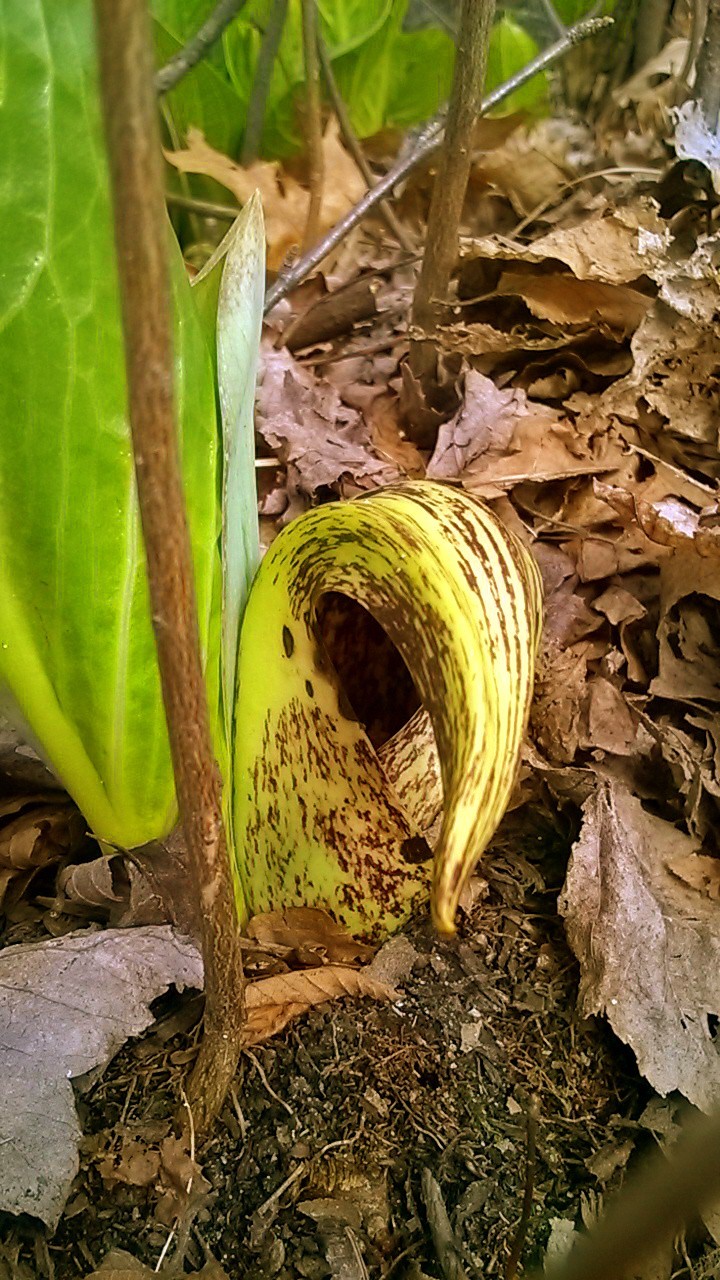
Shallow tumble of earthen banks studded with skunk cabbage — sweet fragrance laced the air, but the cabbages made no to claim to its creation. Ribboned among their hooded numbers, a garter snake gathered clouded sunlight.
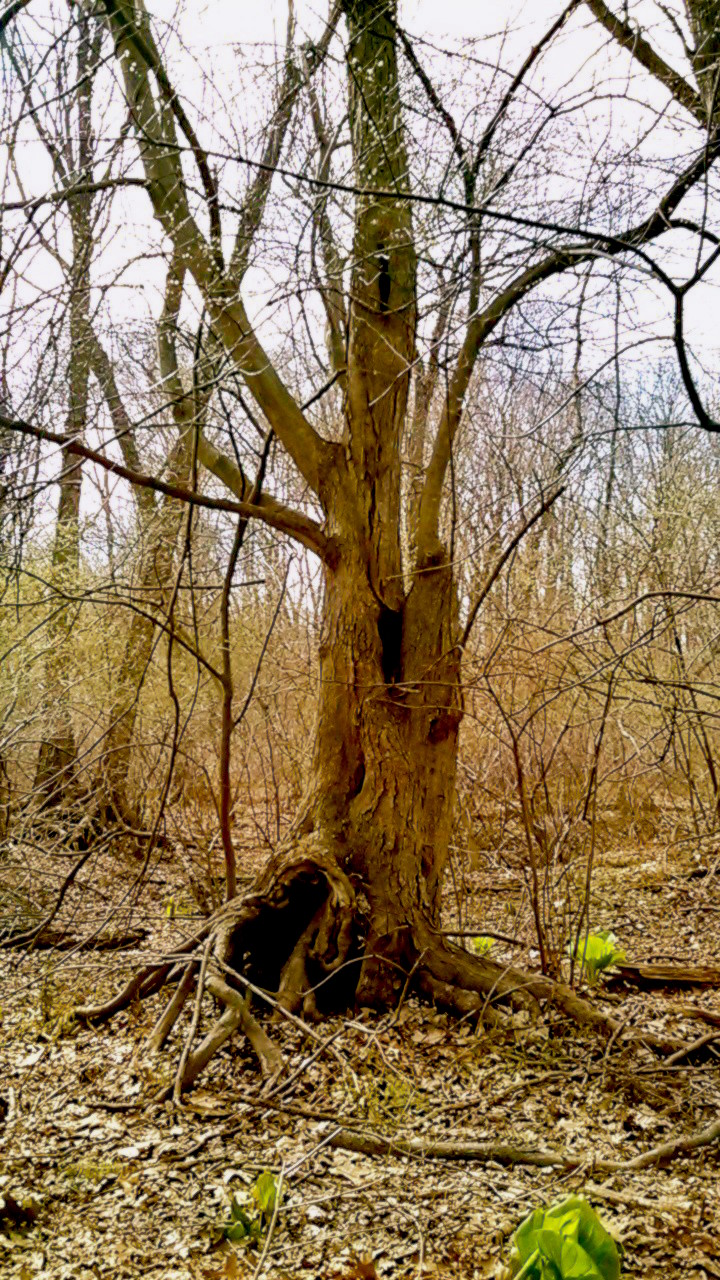
Ancient dryad bid us good morning, arched stiffened limbs in gesture toward a path through the marsh. Though presently dry, it would not remain so with the season’s continued unfolding.
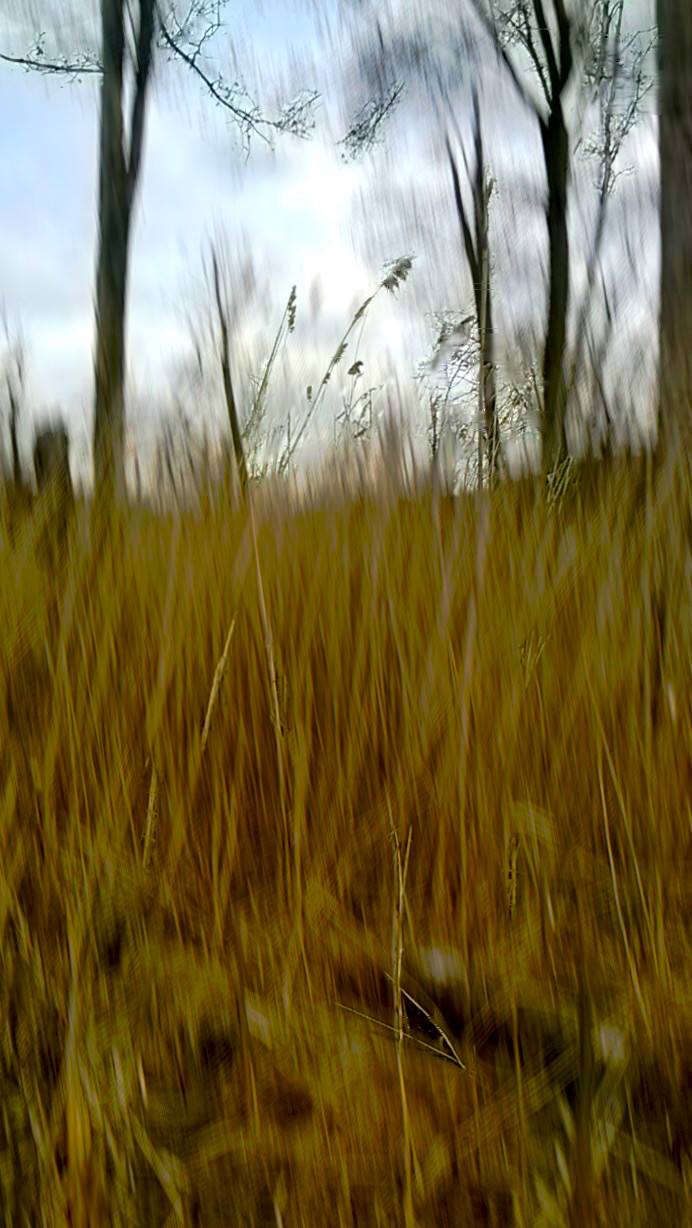
Thus we walked, land dipping slightly. Fringe of greening wood falling back and away, giving way to passable marsh. Skeletal gray trees thrust up through pale interweave. Overhead, clouds gathered, sky brooded. Forest of parchment reeds and grass surrounded, leaning against each other in quickening wind to speak in rasps. We stood amidst that motion, that rustling sigh.
We gathered what we could — in sensation and memory — to store away as need arises. When next we return, our steps will pass over familiar ground, but all will have changed. And as observant as we attempt to be, as present as we will endeavor to be, our limited senses will miss so very much.
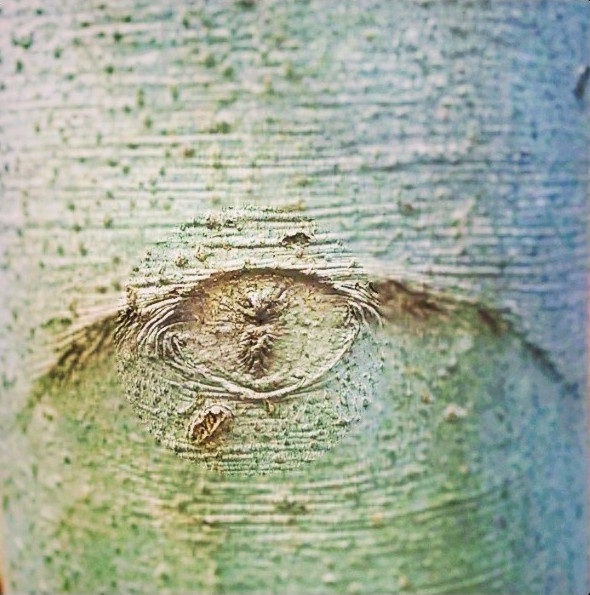
Hastening
after that slender snippet
of dried grass
that slipped from
his grasp,
he tumbles from
the roof’s spine,
scrabbles over shingles
giving chase —
and it eludes,
that straw-pale length,
so perfect,
so well suited to
his task,
that he persists
and dives,
frantically parting
damp air
on drawn wings
till both settle
upon green-fringed
soil.
Clutched in
bent-wire claw,
he soars to the eaves
to stuff it in
amongst a mass of
similar
lengths and bits —
that perfect piece.
Silly sparrow.
Such display over one
blade so like
another.
But —
do we,
ourselves,
not do
the very same?
— C.Birde, 3/16

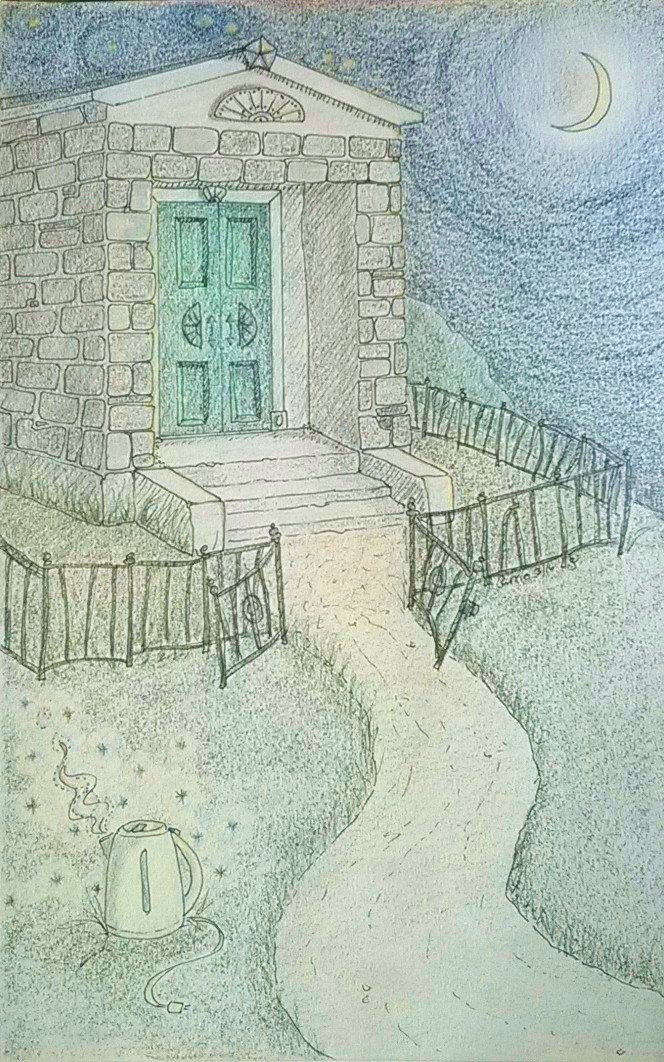
What can I do? She is terrified, convinced it’s outside, lurking, lying in wait. Neither of us will rest until her fears are mollified. Hiding my annoyance, I grab the electric tea-kettle and prepare to leave the little house, to venture outside into the dewy dark and show her, prove to her there is nothing there.
The door thumps shut in its frame behind us, and she clings to me, fingers digging through my shirt. I’ll wear the mark of her nails — scarlet crescents incised into the flesh of my right arm, right shoulder. Lighting our way, the tea-kettle gleams softly — a pale beacon, full of freshly boiled water. Steam escapes its wedge of spout in diffuse, curling trails.
A dirt path leads away from the house, winds through clots of damp grass. We follow its unravelling toward a stone structure that thrusts up from a small hillock ahead. Drawing nearer, the structure slowly resolves into a crypt. A heavy, teal green door is pressed into its recessed face, and pale moonlight limns worn stonework. A dark twist of tree mimics the bent, low, wrought-iron fence encircling the crypt. The fence’s gate leans open on creaking, rusted hinges.
Suddenly, my companion shrieks, tugs at me to halt our forward advance. Emphatically, frantically, she points. Heart racing, I follow the luminous sweep of her arm and see…nothing. Again, her shriek threatens to deafen, and her arm describes a wild arc, pointing. I swing the electric tea-kettle and release a spume of steam and scalding water at…nothing. Jabbing her finger at darkness, this way and that, she continues shrieking, all the while pulling me backward, back toward the little house.

The duality of time — its elemental truth, its illusion — marked by the sun’s certain progress. Below and apart, we stand stunned, pointing.
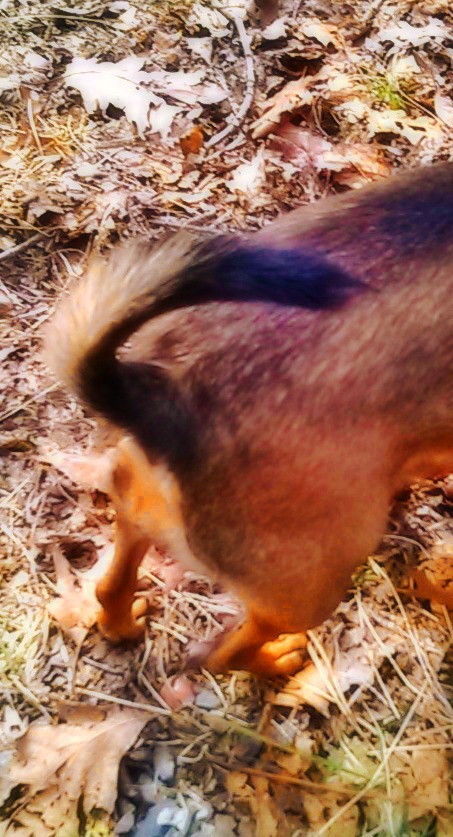
There was a little dog
who had a curl of tail
right at the base of her spine.
And when she was bad
she was naughty as could be
But when she was good, she was just fine.
She enjoyed a good long walk —
up the mountain, round the block —
where’ere her pointed paws might wander.
And when she had found
some curiosity,
that curl of tail would still, that she might ponder.
All chores she would attend
in unrelenting fashion —
from window, porch and door and garden.
But come evening’s fall,
darkness pressed to every pane,
The nearest lap she’d seek to curl that tail in.
–C.Birde
(With apologies to Henry Wadsworth Longfellow)
Both ends of this large barn are open; huge wooden doors slid back along their tracks. Bright sunshine spills over the dusky interior in sharp contrast. Bales of hay are stacked six-feet high in one corner, and atop them sits a young man. Shoulders curved, he slouches against the barn wall, draped in shadow. Bright white earbud cords snake up beneath the hair screening his face. Everything about him is designed to ward off approach. I immediately set feet in his direction.
As I thread my way through knots of stablehands, three men in dark suits, fedoras, and sunglasses also enter the barn. They stare pointedly in the boy’s direction. The boy ignores them; the men look away, expressionless. They move past me like a slice of nightfall.
“Am I too late?” I’m breathless with anticipation once I’ve reached the corner.
With a slight shake of his head, the boy indicates there’s still time. He does not look at me, does not remove attention from the device in his hands. But, elated, I am unconcerned with manners and rush outside. Squinting against the light, I find the corral to the left. Easily, quickly I climb the six-foot fence, balance on the fence top. Contained within the corral below, is a small herd of horses. They move like fish, navigating the interior space and each other’s bodies in circling, eddying patterns.
Above the corral, suspended from thick cables are numerous large, clear tubes. Each must be three feet in length, and at their bases are four flat, brightly-colored plastic paddles — red, blue, yellow, green. I drop into a crouch on the fence top, leap to catch hold of one of the tubes. The cable is grooved beneath my hands and cool to the touch. Swinging gently from my perch above the milling horses, I depress one of the paddles with my foot — oats and grain pour out in a yellow stream. Horses gather below me to eat, shouldering each other aside. Before my momentum can slow, I leap to another tube, grip its cable, dispense more food. Again and again, I repeat this until I have made a circuit about the corral and all the horses are contentedly eating.
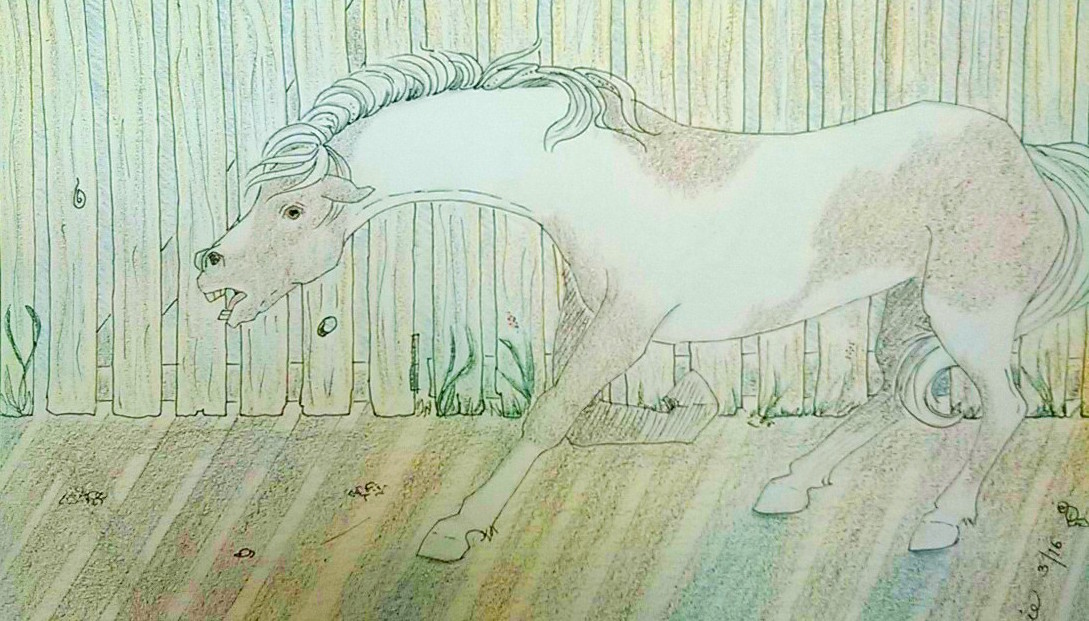
Except…that one… From this lofty height, I see a scruffy brown and white pinto edging toward me along the corral’s perimeter. Its extraordinarily long neck is thrust out and slung low over the ground. It bares large yellow teeth, eyes me balefully. In order to keep out of reach, I must continue leaping from one dispenser to another. And the horse, with grim intent, is determined to keep me from reaching the fence and climbing out to safety.
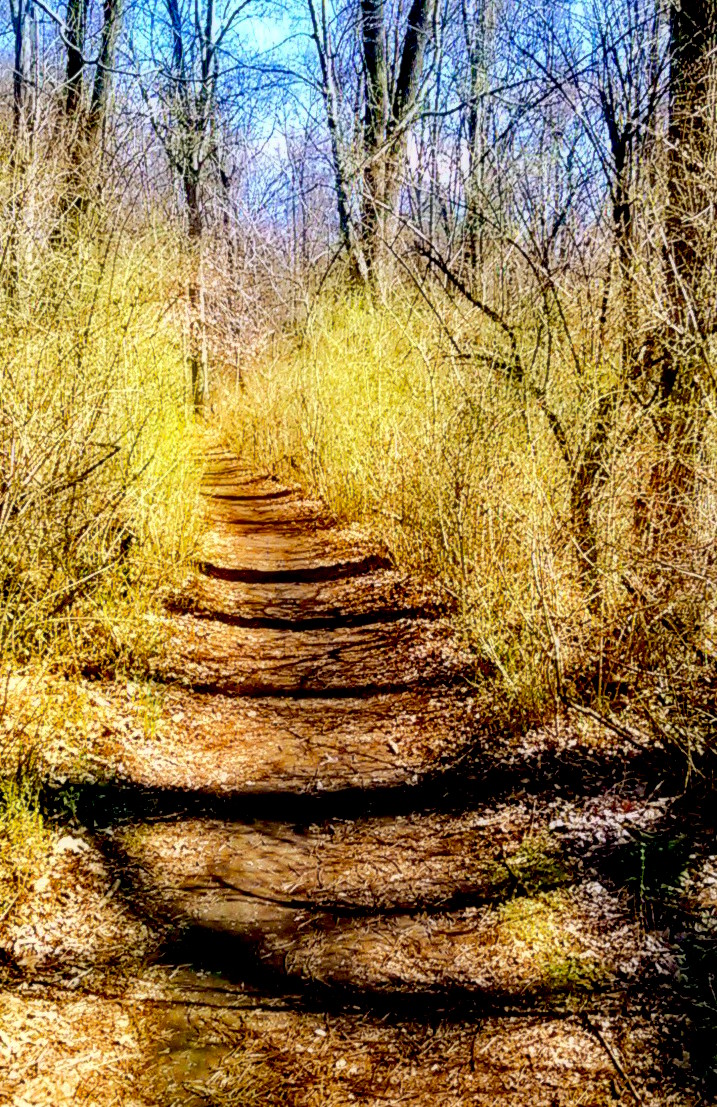
Our pursuit of Spring continues. We gathered evidence at Tourne park — nodules of skunk cabbage thrust from mud; yellow-green haze softens twiggy branches; heady scent of warming Earth. Though she hides, she is evident in the throats of songbirds.