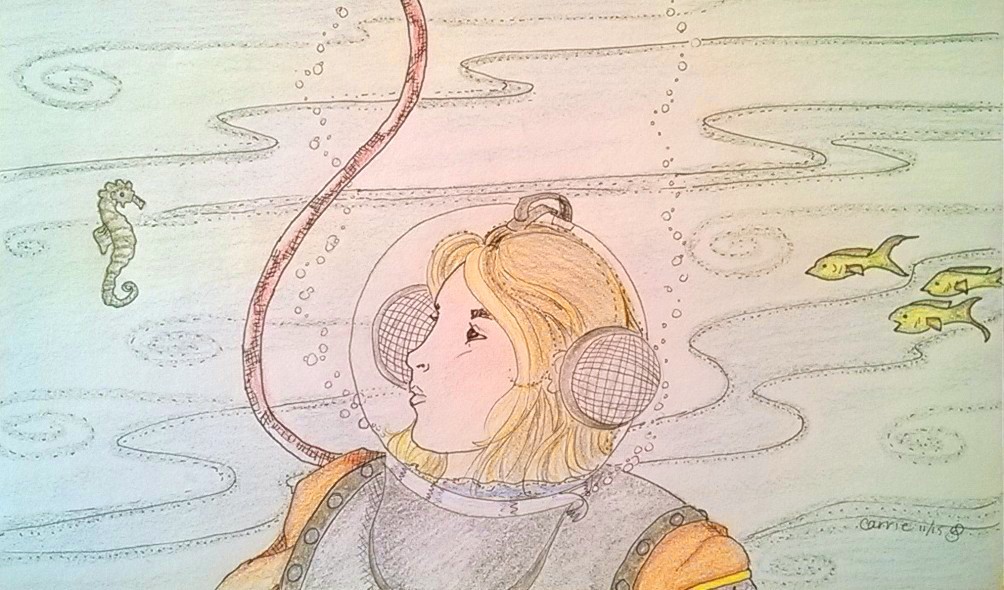
Water presses from all sides, a constant squeeze upon my dive suit. As old and worn as the suit is, the fish-bowl helmet affords unobstructed visibility in all directions. The ocean piled atop me is beautiful — serene, quiet, teaming with life. Craning my neck within the helmet, I watch minute bubbles spiraling up alongside my oxygen tube. Each snakes independently toward the surface through blue and green layers of sea.
My partner and I work together to examine a large pylon-like structure that thrusts from the ocean floor. Its antiquity is evident in the thick layer of barnacles crusting the object. Generations of anemones have settled upon it and wave opaque tentacles in the ceaseless current, while crabs scuttle expertly over its uneven surface. But the pylon needs attention and repairs. We’re uncertain what’s wrong with it and how we’ll manage restoration.
My more immediate concern, however, is the water leaking into my helmet — the Scotch tape seal has lifted and a slow rise of sea water climbs within the glass, lapping against my neck, my chin, my jaw. Ineffectually, I attempt to mash the tape back down, by my movements are slow and awkward. My hands, encased in heavy gloves, are poor instruments for such delicate work.
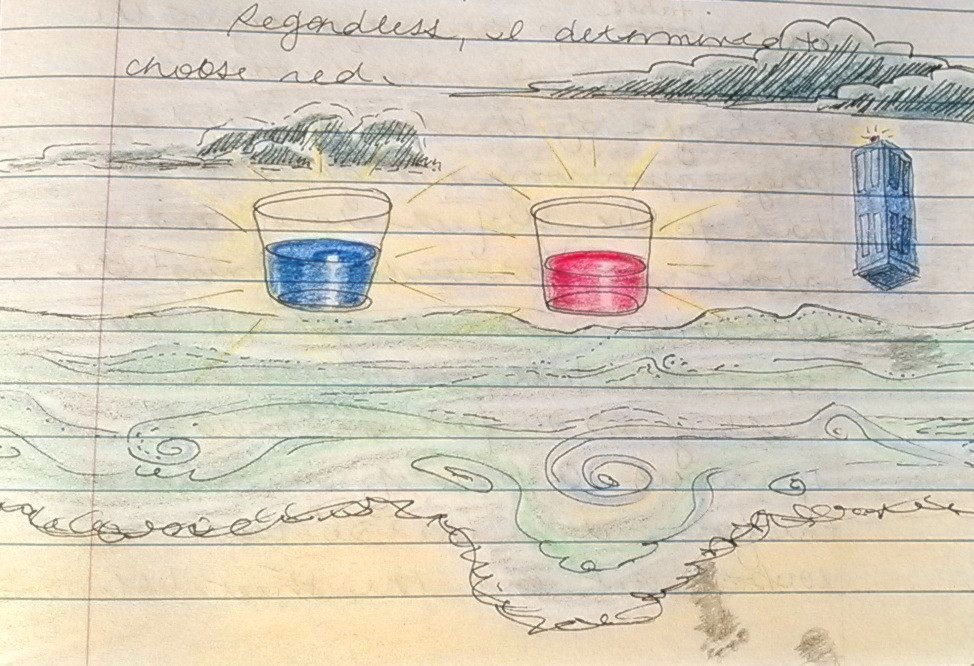
The gray sea stretches out toward the horizon beneath a vast, gray sky. Hovering over white-capped wavelets is a blue telephone box (yes, excruciatingly similar to the Tardis). Hands in pockets, shoulders hunched, a dark-clad man steps from the box and walks away across the sea without dampening the soles of his shoes. The phone box’s door gapes, moving back and forth with the wind and groaning against its hinges. And we, gathered on the shore and disheartened by his apparent failure, watch silently as he leaves us behind. Then, the sea begins to boil…
Two objects rise from the tossing, gray waters — one resembles a cross-section of large, white pvc pipe; the other, a rat’s nest of steel wool. These should be inanimate, harmless, simple detritus thrown up onto the shore; but they are some how alive and very, very hostile. They give chase, and we flee, stumbling over the sand in our panic.
Beyond a wind-whipped dune I see a Gothic, brownstone mansion pressed against the dull and flattened sky. I press forward, push open the double coffin doors and find myself in a large entry chamber — dark, carved wooden staircase and paneled wainscoting; rich burgundy area rug and stair-runner; William Morris-style wallpaper. At the hall’s far end, a doorway blushes with light. Upon entering, I find a throng of people in an impatient, disorderly line. Standing on a makeshift dais, a man exhorts those on line to “choose well”. He continues, saying that those with a pure heart, who are gentle and kind and good, will pick the correct elixir; whereas those whose hearts and wicked and harbor ill intent and greed will choose wrongly. Apparently, either life or death will result. At the foot of the dais are two cherubic children, each holding a small, clear plastic cup. One child offers a red elixir, the other blue (this time, excruciatingly similar to “The Matrix”). Beyond them, is another room, and I step out of line to peek and find a heavily-curtained, semi-dark room. Candlelight flickers over small groups of people gathered together in plush armchairs and couches, talking quietly. Little empty cups lay scattered about low tables, across the floor. Nervously, they await the results of their choice.
Leaving this scene, I return to take my place at the back of the line. This room has altered radically and now resembles a pharmacy, all sterile white aisles, floors, walls, shelves. As the line slowly inches forward, I have a sudden insight — it doesn’t matter which cup one chooses, that the liquid’s color, red or blue, is insignificant. Rather, the liquid itself holds the life-or-death-granting qualities and is merely colored afterward. The good will survive the drink; the wicked will not. As an individual awaits their outcome, the results are mistakenly ascribed to the liquid’s color by those witnessing.
Regardless, I determine that when my time comes, I shall choose red.
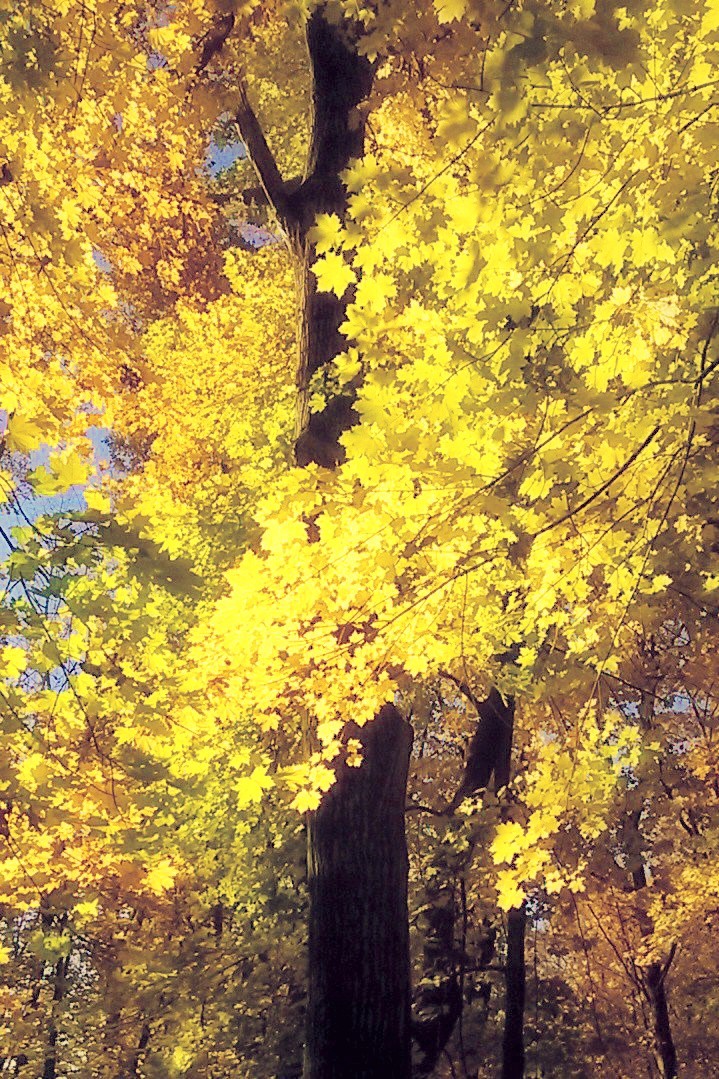
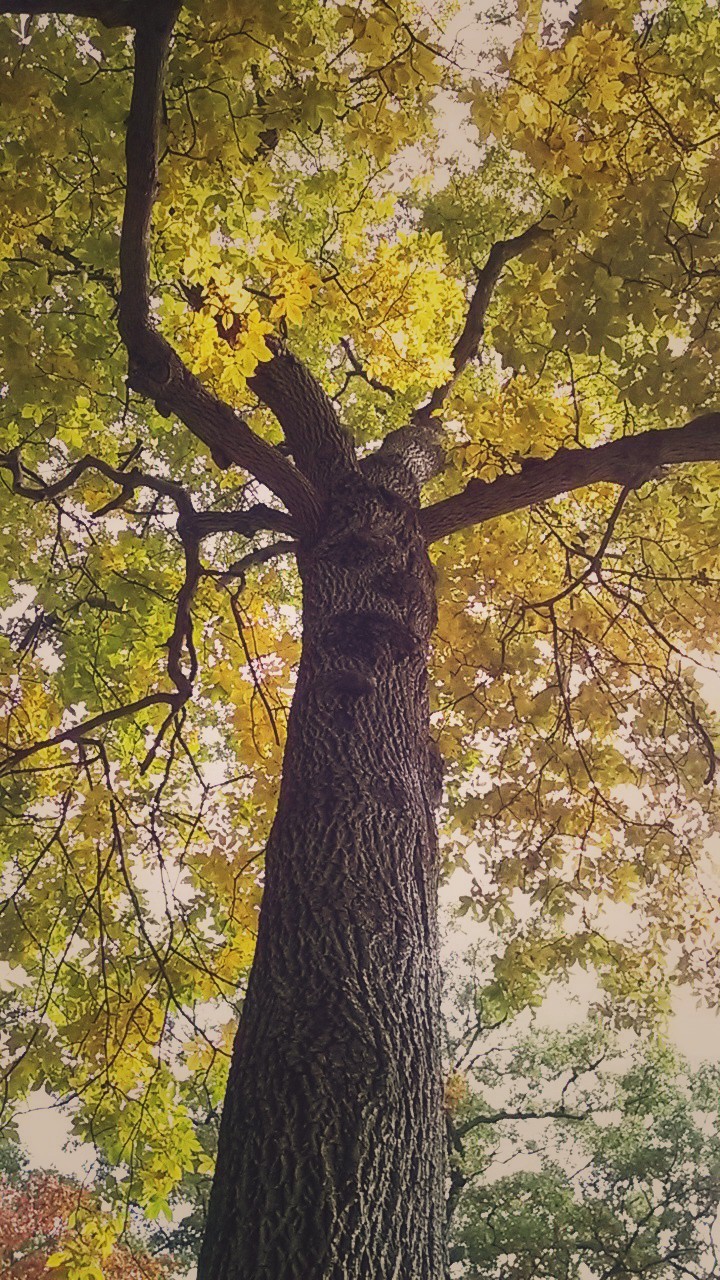
Arrow-tall Hickory pelts the earth with its potential offspring. In childhood, I spent many a day beneath just such a tree as squirrel or chipmunk or blue jay; peeling back thick, green, four-petaled husks till my fingernails were tarnished; cracking open the small taupe-brown orbs within; picking out and eating the sweet nutflesh.
(Confession — I had this dream in mid-July. I don’t recall what was occupying my mind at that time, but it seems appropriate to post it on the platform-booted heels of Halloween.)
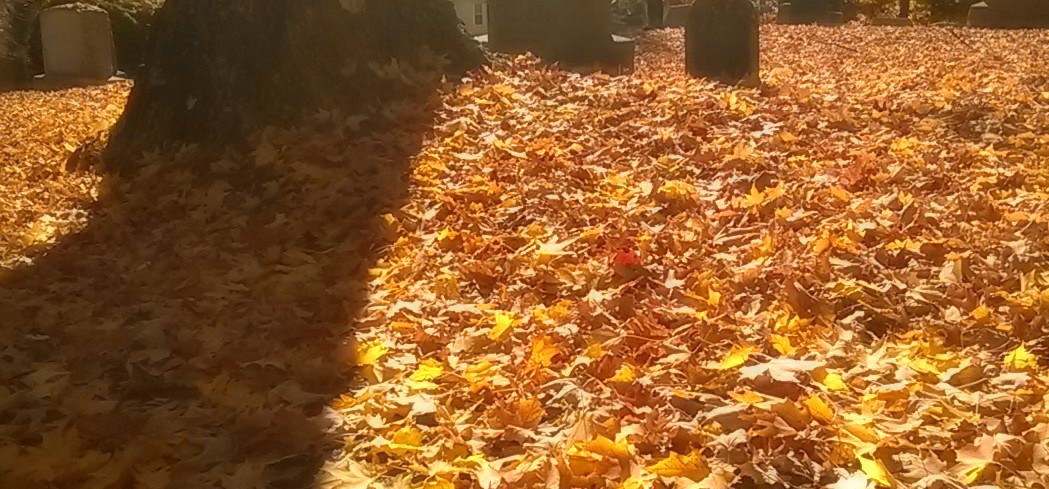
We have been warned — we deviate from the path at our peril. There is no other guarantee of safe passage through the graveyard. Night and gloaming surround. Elongated shadows arch themselves over hillocks of drifting snow, but I easily find the sinuous depression winding through that indicates safety. I tell my son and husband to remain close, and then push through the frosted crust, breaking a trail. No sooner have we begun, than my husband has stumbled off the trail into deep snow. Alarmed, I call out, my voice hissing, and although he returns quickly, it’s too late. A distant howl of pursuit echoes, hollow and eerie, growing ever closer. The zombies are deceived neither by speed nor misstep.
With increased determination, I push through the snow. The path leads past neatly arranged headstones and down a cleft. Walls of snow rise up on either side of us as we descend steps hewn from ice-rimed stone. At the staircase’s bottom, a large chamber opens before us — at its far end is a scaffold beneath which spills an enormous quantity of foam peanuts and lint-like packing materials. I instruct that we must bury ourselves from sight within them, so the zombies will not scent us. My son and I are successful, but my husband does not sufficiently bury himself — his right elbow and side remain exposed. The zombies drag him out. I cannot see, but I hear all.
In the chaos, my son and I escape. We swim beneath the sea of packing peanuts and emerge in a narrow, worked-stone hallway which opens into another rectangular chamber. One third of this room’s length is galleried, raised several feet higher than the rest. In the gallery, poised over a large cauldron and gesturing dramatically, is a wild-haired mad-scientist. I warn my son to look away, that he must not linger, must not approach the mad scientist, but I am distracted. To my elation, my husband has returned and appears remarkably unaltered by his zombie encounter. Meanwhile, my son is unable to overcome the mad-scientist’s compulsion and has stepped up into the gallery. He is immediately transformed into a vampire. Rushing forth from the gallery, he vaults the stone railing to attack a woman — my sister?! — at the chamber’s far end. They collapse in a heap on the floor near a low dais upon which rests a closed, black coffin. My son-turned-vampire attempts, inexpertly, to bite. I must do something…must act…but I cannot. I cannot strike out because the vampire is my son, whom I love. The scene plays out like bad fiction until my surroundings slowly begin to tilt and revolve around me.
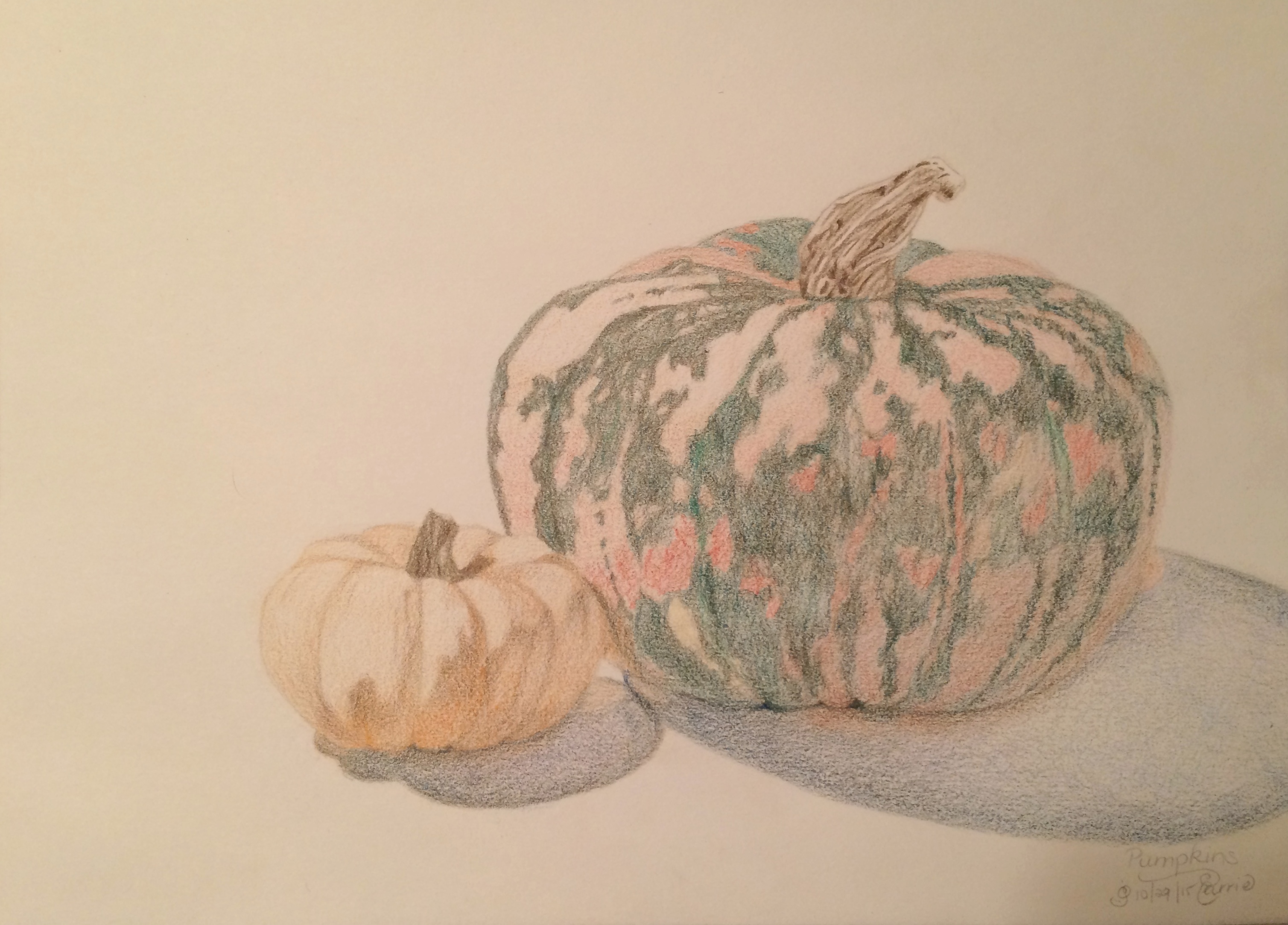
Here is a colored pencil drawing I began on Monday. After a brief abandonment, I returned to it yesterday and finished it up. The colors are not exactly “true” — I work on white paper, not toned or tinted, as it might appear. The smaller pumpkin is a mini, and the larger I believe is a Kabocha squash, which I got at our local farmers’ market last Saturday. Much of the produce I pick up at the market does double duty — first, as still life; next as meal. This Kabocha’s destiny is not yet determined — it may find its way into mini pumpkin biscotti, or squash mash over sautéed greens, or a pumpkin barley risotto. Such potential!
Happy Halloween!
PS — Now I’m thinking of pumpkin waffles…and I do love waffles…!